If you are a hockey parent, you have probably wondered whether your child should be doing more than just skating. The answer is yes, but almost certainly not in the way you might fear. Good dryland training for a young player looks more like athletic play than a gym session, and it is one of the best things you can do for their long-term development, their confidence, and their health.
This guide explains what off-ice training should be at each age, clears up the safety question once and for all, and gives you the activities that actually help. No hype, just what the science and good coaching agree on.
What dryland is, and is not, for kids
Dryland, also called off-ice training, is simply the athletic development a player does away from the rink. For adults that means structured strength and power work. For children it means something different: building the movement foundation that all future training and skating is built on. Think running, jumping, landing, crawling, balancing, and playing, done with intent.
What it is not is a miniature version of a pro workout. A nine-year-old does not need a barbell or a complicated program. They need to learn to move well, fall in love with being active, and build coordination while their nervous system is most ready to absorb it. Get that right, and everything else becomes possible later.
Is dryland training safe for young players?
This is the question every parent asks, so let us answer it directly. Yes. When it is properly designed and supervised, training is safe and good for kids.
The old belief that strength training stunts a child's growth has been discredited. Peer-reviewed reviews conclude that, when properly designed and supervised, resistance training is safe and beneficial for children and adolescents, and the American Academy of Pediatrics endorses supervised strength training for young athletes. The real risk is poor coaching and ego-driven maximal lifts, not age-appropriate training itself.
In fact, the bigger safety story runs the other way. Structured neuromuscular training cuts lower-limb injuries in youth athletes by roughly 42 percent. Teaching a child to land, decelerate, and control a single leg is one of the most protective things you can give them, on the ice and off it. The same principles protect players at every age; see our guide to injury-proofing a hockey season.
What to focus on at each age
The single most important idea in youth training is that the work should match the age. The emphasis shifts gradually from play and skill toward structure and strength as a child matures.
This is exactly how our age-specific programs are built. Each one is designed for where a young player actually is, not a generic plan stretched to fit.
Ages 9 to 11
Fun, varied training that builds movement, balance, and speed from the ground up. See the 9 to 11 program →
Ages 12 to 14
Growth-smart strength and speed that protects the body through a big growth window. See the 12 to 14 program →
Ages 15 to 18
The window to build real strength, power, and conditioning with structure. See the 15 to 18 program →
How often and how long?
Young players do not need long sessions. Quality and consistency matter far more than volume. A simple, sustainable rhythm looks like this, and it should always leave a child wanting to come back, not dreading it.
| Age | Sessions / week | Length |
|---|---|---|
| 6 to 8 | Mostly free play | Short and fun |
| 9 to 11 | 2 to 3 | 30 to 45 min |
| 12 to 14 | 3 | 40 to 50 min |
| 15 to 18 | 3 to 4 | 45 to 60 min |
For a young athlete, the best program is the one they actually enjoy enough to keep doing.
Want an age-perfect plan?
Our youth programs are built session by session for each age group, with a demo video for every exercise so kids always know what to do.
The best dryland activities for kids
The best youth activities are simple, athletic, and fun. They build coordination and strength without feeling like a chore. Each links to a demo in our exercise library.
- Skater bounds for balance, power, and the side-to-side movement of skating. See the lateral bound.
- Broad jumps for explosive, two-footed power that kids love to measure. See the broad jump.
- Bear crawls for full-body coordination and core control. See the bear crawl.
- Bodyweight squats to groove clean, strong movement. See the bodyweight squat.
- Single-leg balance to build the control that prevents injuries. See single-leg balance.
For the bigger picture of how it all fits together, see our complete guide to off-ice hockey training.
Mistakes parents and coaches make
- Treating kids like mini adults. Copying a pro or teen program is the most common error. Match the work to the age.
- Chasing intensity over skill. Coordination and clean movement come first. Load comes later.
- Early specialization. Year-round single-sport training raises injury and burnout risk. Let kids play multiple sports.
- Skipping the fun. A bored child quits. Games and variety keep them engaged and improving.
- No supervision. Safety and benefit both come from good coaching and proper technique.
Frequently asked questions
Is dryland training safe for a 10-year-old?
Yes. Age-appropriate, supervised training is safe and beneficial. The focus at this age is bodyweight movement, jumping, balance, and fun, not heavy weights.
At what age should kids start dryland training?
Active, playful movement can start young. Structured off-ice sessions usually begin around age 9 to 11, building gradually from there.
Should young players lift weights?
Heavy lifting is not necessary or appropriate for young children. Bodyweight, bands, and light loads with good technique are plenty. Structured lifting becomes valuable in the teen years.
How often should my child do dryland?
Two to three short, fun sessions a week is a great target for most youth players, alongside plenty of unstructured play.
The bottom line
Dryland training is one of the best investments you can make in a young hockey player, as long as it fits their age. Build the athlete first with movement, play, and coordination, add structure and strength gradually as they mature, weave in the prep work that keeps them healthy, and above all keep it fun. Do that, and you are not just raising a faster skater. You are raising an athlete for life.
References
The safety and injury-prevention claims above are drawn from peer-reviewed research and recognized pediatric and strength-and-conditioning sources.
- Myers AM, Beam NW, Fakhoury JD. Resistance training for children and adolescents. Translational Pediatrics. 2017. PMC5532191
- Steib S, Rahlf AL, Pfeifer K, Zech A. Dose-response relationship of neuromuscular training for injury prevention in youth athletes: a meta-analysis. Frontiers in Physiology. 2017. PMC5694483
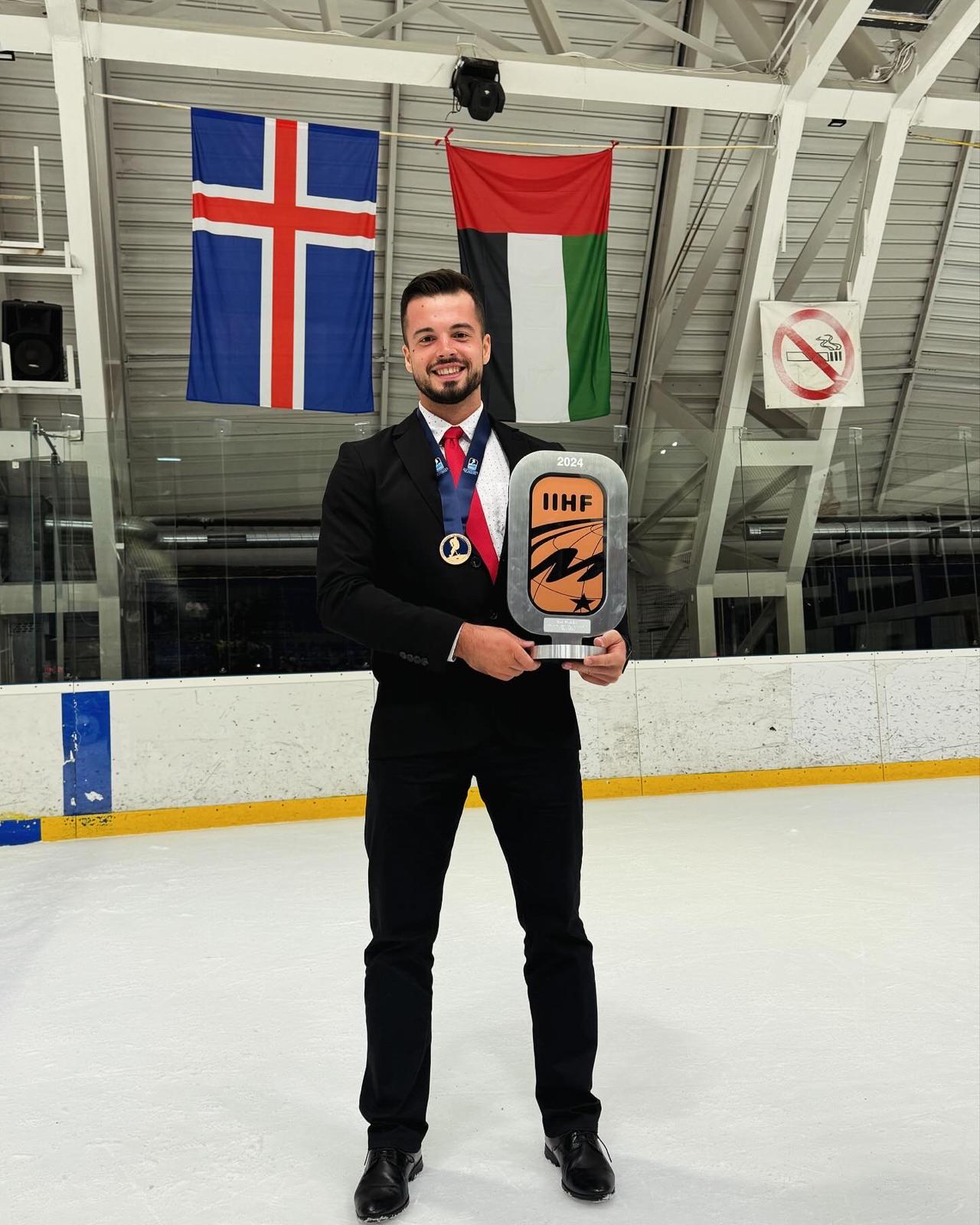
David builds science-based off-ice training for hockey players at every level, from first-year youth skaters to adult and masters players. Elite Hockey Drills exists to put real sport science in the hands of players who want to train smarter, not just harder.